Invest in Movie Props
For decades, movie props were treated primarily as memorabilia. They were objects of fandom, displayed in private collections or preserved by museums, rarely discussed in financial terms. That perception has shifted. Today, original film props are increasingly recognised as a niche but credible alternative asset class, traded at established auction houses and sought after by collectors with an investor mindset.
As interest in tangible, culture-driven assets grows, movie props now sit alongside categories such as fine art, rare whisky, and luxury collectibles. Their appeal lies not only in nostalgia, but in a combination of cultural relevance, scarcity, and documented performance over time.
Cultural relevance as a foundation of value
Movie props derive their value from stories that have already proven their staying power. Films such as Willy Wonka & the Chocolate Factory, The Wizard of Oz, or Austin Powers continue to be watched, referenced, and rediscovered decades after their release. Streaming platforms, anniversaries, and pop culture callbacks keep these titles visible across generations.
A prop connected to an iconic character or scene benefits from a built-in global audience. Its demand is not dependent on economic cycles or interest rate decisions, but on collective memory. As long as the story remains culturally relevant, the object tied to it retains appeal.
Scarcity that cannot be recreated
True scarcity is a defining feature of the market.
A film is produced once. Props are made in limited numbers for that production, often in different versions, and many are lost, destroyed, or permanently retained by studios. Once filming ends, no additional original props can be created.
This irreversible supply constraint mirrors other established collectible markets. Over time, available inventory decreases, while interest from collectors and investors continues to expand. Scarcity is structural, not manufactured.
Long-term price appreciation in practice
Auction data shows how these dynamics translate into real-world pricing.
Original golden tickets from Willy Wonka & the Chocolate Factory provide a clear illustration. In 2013, a ticket sold for just over €20,000. By 2015, prices reached €27,520. In 2018, comparable examples achieved €44,032. In 2020, the price rose to nearly €70,000, followed by a peak of €118,250 in 2022.
While a later sale in 2024 settled lower at €57,856, the longer-term trajectory still reflects strong compound growth over more than a decade. The variation also highlights an important reality of the market: entry point, provenance, and buyer competition matter.
A similar pattern can be observed in the Austin Powers franchise, particularly with character-defining costumes.
Dr. Evil’s costume from Austin Powers: International Man of Mystery sold at auction in November 2023 for €25,200. Just two years later, in December 2025, the same costume achieved a hammer price of €63,000. That represents an increase of roughly 150 percent over a short holding period.
The result underlines how cult characters with lasting cultural recognition can drive demand well beyond the film’s original release window.
Even replica-era props can perform consistently. Ruby slippers produced by the Western Costume Company for the 50th anniversary of The Wizard of Oz sold for around €30,100 in 2013. By 2025, comparable pairs achieved prices above €100,000, equating to an annualised return of roughly 11 percent.
Understanding the three main categories of movie props
One of the most important factors influencing value is the category a prop belongs to. In the film industry, props are typically divided into three main groups, each with different implications for pricing and demand.
- Hero props
Hero props represent the highest tier of the market.
These are items handled directly by the main characters or actors and used in important scenes. They are often seen in close-ups or long takes, making them clearly identifiable on screen. Because of their direct association with the narrative and the performer, hero props carry the strongest emotional and historical weight.
As a result, they are the most valuable and sought-after category and consistently command premium prices at auction. - Stunt props
Stunt props are used during physically demanding scenes such as fights, falls, or high-energy sequences.
They are typically made from lightweight or flexible materials like rubber, foam, or resin and are often handled by stunt performers rather than lead actors. Although they may represent the same object as a hero prop, differences in materials, screen time, and performer interaction usually result in lower valuations. - Production-made props
Production-made props are created for background use or set dressing.
They may appear only briefly on screen or not be clearly visible at all and are generally less detailed than hero props. Despite this, they are still authentic, screen-used items and can appeal to collectors seeking accessible entry points into well-known films, albeit at lower price levels.
Documentation and screen-matching as value drivers
Beyond category, documentation plays a decisive role in valuation.
Screen-matching is one of the strongest value enhancers in the market. When a prop can be visually matched to specific frames or scenes in a film, it becomes a verified on-screen artifact. Collectors are willing to pay significant premiums for that level of certainty.
Additional supporting material can further strengthen a prop’s appeal. This includes backstage photographs, video recordings from set, and production logs detailing which props were used in specific scenes. Comprehensive documentation increases confidence and liquidity.
Certificates of authenticity and provenance
Certificates of authenticity are another key factor.
Many production houses and prop masters issue certificates confirming a prop’s history and on-screen use. These documents help establish provenance and reduce uncertainty in a market where replicas and unofficial items exist.
Value can increase further when certificates are accompanied by signatures from actors or prop masters, hero labels, or inscriptions identifying the actor who used the item. Original packaging or dustbags used during production or transport can also enhance desirability by adding completeness.
Investing in stories that endure
Movie props are not driven by earnings cycles or macroeconomic indicators. Their value is shaped by culture, scarcity, and trust in provenance.
For investors willing to take a selective, long-term approach, high-quality props linked to enduring films and iconic characters have demonstrated the ability to generate meaningful appreciation. More importantly, they offer ownership of cultural history in physical form.
In that sense, investing in movie props is not just about nostalgia. It is about identifying the stories, characters, and objects that continue to resonate long after the credits roll.
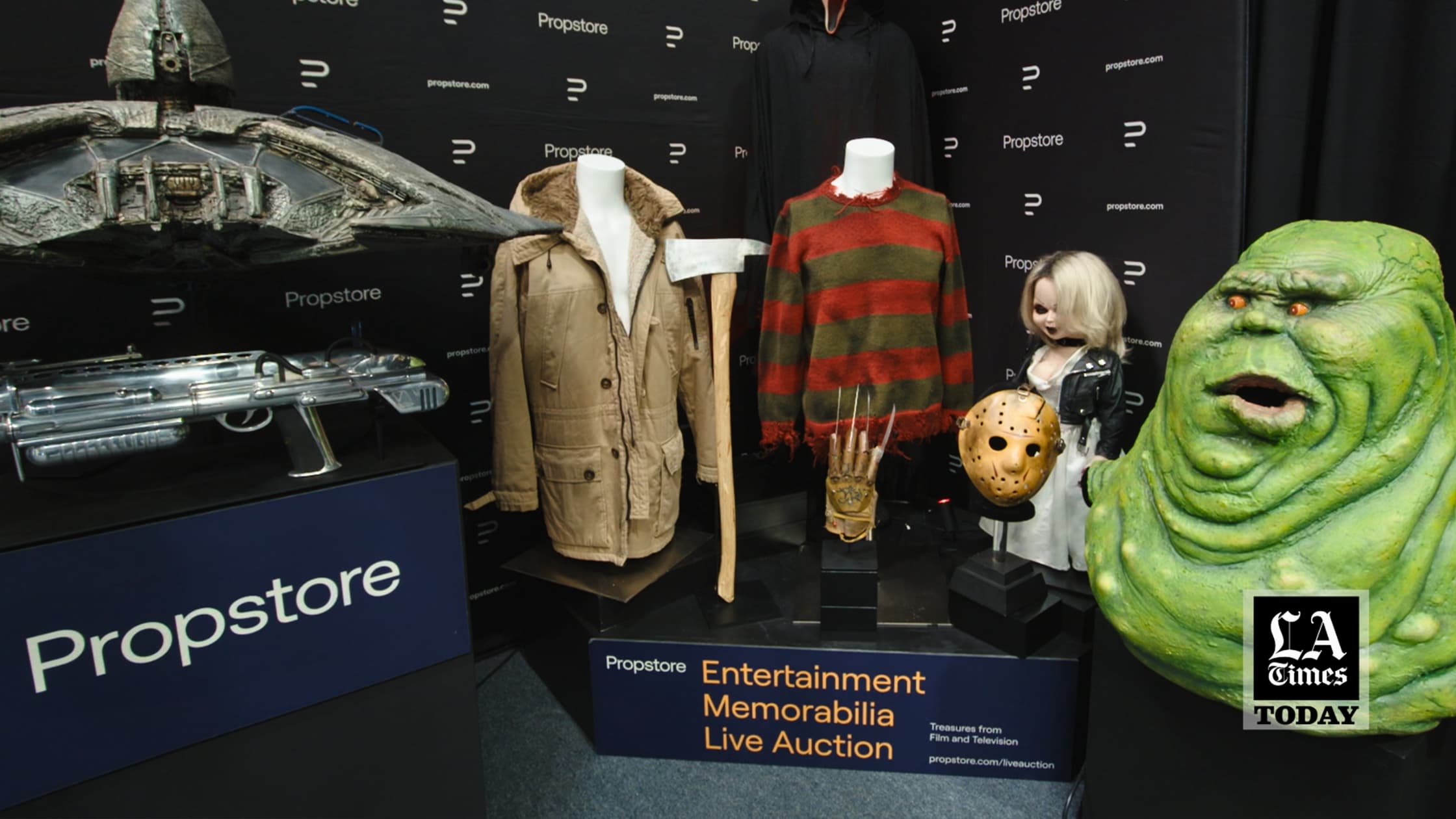
After years of quietly compounding in the background, the movie-collectibles market has just flashed a strong signal.

Phase 2 of multi-currency is here: create additional accounts in CHF or GBP, switch between them instantly, and manage all your investments in one app.

Global financial markets opened September 2025 on a cautious note, with investors bracing for a month packed with uncertainties surrounding central bank decisions, inflation, and high-impact economic data releases